About Mamwa Empowerment Foundation

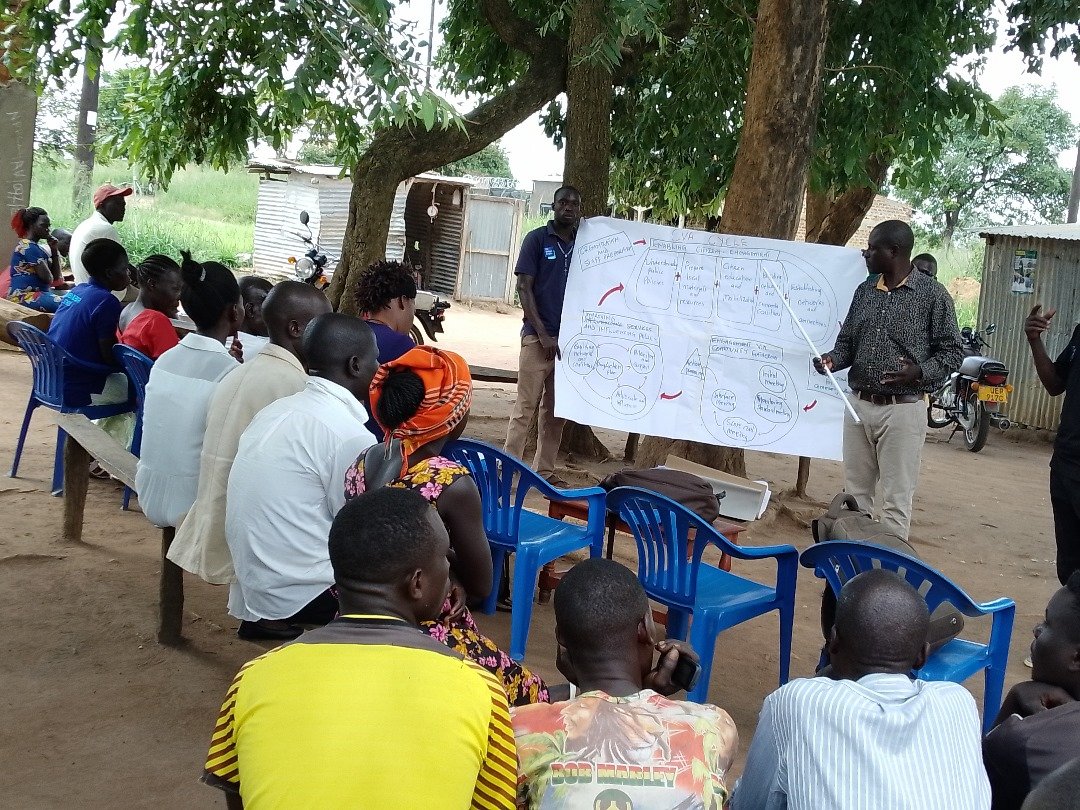
Mamwa Empowerment Foundation is a non-partisan, community-based organization committed to uplifting vulnerable women, youth, and marginalized groups in Uganda. We believe in unity, dignity, and sustainable development as the foundation for building stronger and more resilient communities.

We were established to address the challenges of uncoordinated community efforts, limited opportunities for women and youth, and lack of inclusive development programs. Through collective action, Mamwa Empowerment Foundation provides a platform for empowerment, advocacy, and sustainable solutions that create visible and lasting impact on the ground.

Our Vision

An empowered and resilient society where all individuals thrive in dignity, equity, and harmony.

Our Mission

To empower marginalized populations through integrated interventions in health, nutrition, gender equality, human rights, and climate resilience while promoting inclusive development, dignity, and sustainable livelihoods.


 objectives

  • To Strengthen civic engagement, transparency, and responsiveness of duty bearers through community-led monitoring, policy advocacy, and human rights education.
  • To Facilitate economic empowerment of women and youth through vocational training, financial inclusion, and entrepreneurship programs aimed at fostering self-reliance and resilience.
  • To Improve community infrastructure and promote behavioral change to ensure access to clean water, adequate sanitation, and nutrition-sensitive interventions that reduce malnutrition and waterborne diseases.
  • To Expand access to primary health care, focusing on underserved populations, and promote integrated community-based health interventions.
  • To Support adaptation to climate change through sustainable land use, renewable energy, environmental conservation, and disaster risk reduction initiatives.
  • To Increase awareness and access to reproductive health services, family planning, and maternal care, especially among adolescent girls and women of reproductive age.
  • To promote mental health services in the community services through awareness campaigns, psychosocial support, and capacity building of frontline workers.
  • To Improve access to quality education, particularly for girls, children with disabilities, and marginalized groups, while promoting life skills and early childhood development.
  • To Promote household food security through nutrition education, support for diversified diets, and climate-smart agricultural practices that improve nutritional outcomes.
  • To Enhance local leadership, mobilization, and decision-making by supporting grassroots organizations, community structures, and participatory planning processes.